
Buying a holiday home in Spain: what to check before you commit
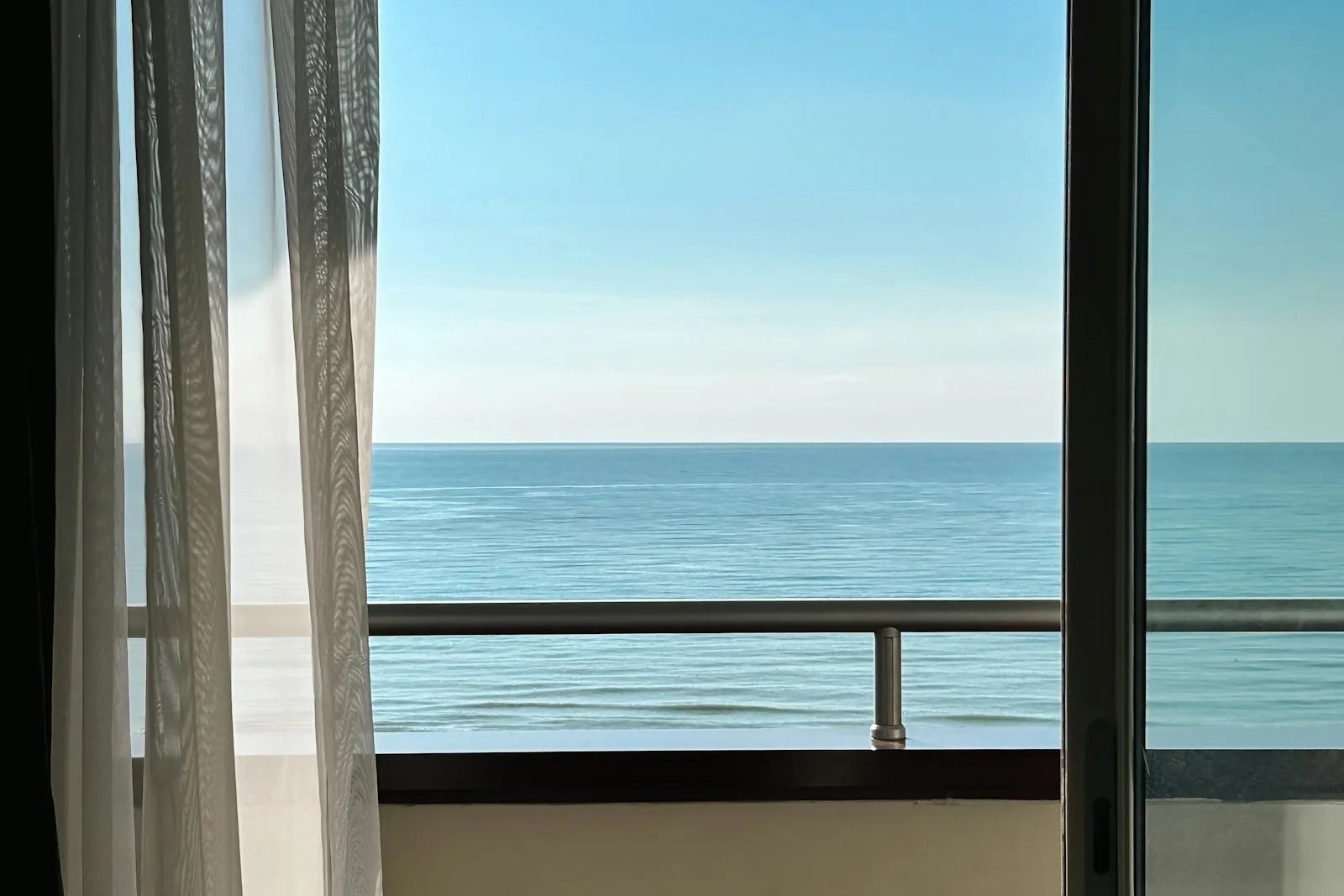
Buying a holiday home in Spain means buying a second residence that you use for part of the year, usually a few weeks at a time. For a UK buyer the decision rests on four questions: whether to choose a new build or a resale, what the home costs to keep while you are away, whether you could let it out, and which official source confirms each answer. A flat in a building with a residents’ community is easy to leave closed between visits, and the examples below use that kind of home. Rules and rates change, so every section names the official page where you can check the current position.
Can a UK citizen buy a holiday home in Spain?
Yes. The UK government publishes guidance for British people buying property in Spain, which advises hiring an independent lawyer who works only for you, checking the land registry and using the free advice of a Spanish notary. That page was last updated on 13 May 2021 and is marked as under review, so use it as a checklist and not as a statement of current rules. The full purchase process, from reservation to deed, is a separate topic.
Owning a home and staying in it are different questions. The gov.uk entry requirements for Spain say that UK passport holders can travel to the Schengen area, which includes Spain, without a visa for up to 90 days in any 180-day period, and that visits in the previous 180 days count towards the 90. Check that page against your own passport and plans before you decide how many weeks a year you will use the flat.
Ask your lawyer which Spanish identification number the purchase requires. The NIE is the identification number for foreigners, and the Spanish consulate in London explains how to apply for it.
New build or resale: which suits a holiday home?
A new build suits you if you can wait and want a home built to current specifications; a resale suits you if you want to use the flat soon. For a home you will visit a few times a year, the waiting time matters more than it does for a main residence, because every season without use is a season you have paid for and not enjoyed.
| New build | Resale | |
|---|---|---|
| When you can use it | After construction and handover, which depends on the stage of the building | Once the sale completes |
| What you inspect | Plans, the specification and the developer’s documentation | The flat itself, its installations and its condition |
| Community | A new community, with fees and rules set in its first years | An established community with a history of fees, works and minutes |
| Taxes on the purchase | Depend on the type of sale; check the current rate with the Agencia Tributaria or the regional tax office | Depend on the type of sale; check the current rate with the same bodies |
| What to ask for | The licences and the building’s documentation | The statutes, the last minutes and a statement of community debts |
Taxes on the purchase are not quoted here because the rate depends on the type of sale and on the region. Your lawyer should confirm the figure in writing before you sign.
Is a flat in a building easier than a house for occasional use?
For occasional use a flat in a building is usually easier to manage, because the community looks after the shared parts. Take a two-bedroom flat with a lift and a communal entrance: you arrive, open the door and the staircase, the lift, the roof and the façade are maintained through the community fee. When you leave, you lock the door and the building stays in use around you.
The trade-off is that you share decisions. The owners’ meeting sets the fee, approves works and can regulate activities such as holiday letting, so the statutes and the recent minutes tell you more about your future costs than the flat’s own listing. The gov.uk guidance adds that a new owner can be liable for community debts from the current and previous year, so ask the community president for a certificate confirming that none are outstanding.
What does it cost to own a holiday home each year?
Owning a holiday home costs an annual property tax, a community fee, utilities, insurance and, for a non-resident, an income tax on the home itself. The table shows who sets each cost and where to check it. No figures are given because they vary by municipality, building and insurer.
| Cost | Who sets it | Where to check |
|---|---|---|
| Local property tax (IBI) | The town hall | The town hall’s tax office, for example Ribadesella town hall |
| Community fee | The owners’ meeting of the building | The community’s administrator or president, and the statutes |
| Annual tax for non-residents on the home | The tax authority | Modelo 210 at the Agencia Tributaria |
| Utilities | Your suppliers | The suppliers’ own tariffs |
| Insurance | Your insurer | Your insurer, including what is covered while the flat is empty |
The Agencia Tributaria’s instructions for modelo 210 (page updated on 2 July 2026) state that non-resident individuals must declare imputed income on an urban property they have at their disposal, even if they never let it. The amount is a percentage of the cadastral value, the filing deadline falls in the year after the tax year, and the modelo 210 page (updated on 24 June 2026) flags that Order HAC/623/2026 changed some filing deadlines. Check the percentage and the dates that apply to your property with the Agencia Tributaria or a tax adviser.
Can you rent out a holiday home in Spain?
Whether you can rent out a holiday home in Spain depends on the building and the region, and it is better to find out before you buy. Three checks cover the ground as of 14 October 2026.
- The regional rules. In Asturias, the owner of a tourist-use dwelling files an electronic responsible declaration (declaración responsable). For flats in a building under the horizontal property regime, the miPrincipado procedure page lists a certificate from the community’s owners’ meeting stating that tourist use is possible. It cites Decree 48/2016, of 10 August, as modified by Decree 4/2026, of 2 February, published in the regional official gazette (BOPA) on 11 February 2026.
- The community’s rules. Under article 17.12 of the Horizontal Property Act, an agreement that approves, limits, conditions or prohibits tourist-rental activity needs the favourable vote of three fifths of the owners, who must also represent three fifths of the ownership shares, and it has no retroactive effect. Read the consolidated text on the BOE and the building’s statutes and minutes.
- The national registry. In a ruling numbered 620/2026, the Supreme Court annulled the provisions of Royal Decree 1312/2024 that created a single national registry of short-term rentals. It upheld the digital single window and the obligation for platforms to transmit data. The court’s press release is dated 21 May 2026. Check whether the State has issued new rules since then.
Buying property in northern Spain: the Asturian coast and Ribadesella
Northern Spain suits a holiday home that you also want to use outside August, because the climate is mild and green rather than hot. The nearest AEMET weather station to Ribadesella, at Asturias Airport, records an average of 9.4 °C in January and 18.8 °C in August, and about 1,060 mm of rain a year (1981-2010 normals). Ribadesella is about 100 km from Asturias Airport, 120 km from Santander and 220 km from Bilbao, according to the town’s own travel information. Our guide to Ribadesella covers the town, the beaches and how to reach it from the UK, and the guide to flats in Ribadesella looks at the buying decision there.
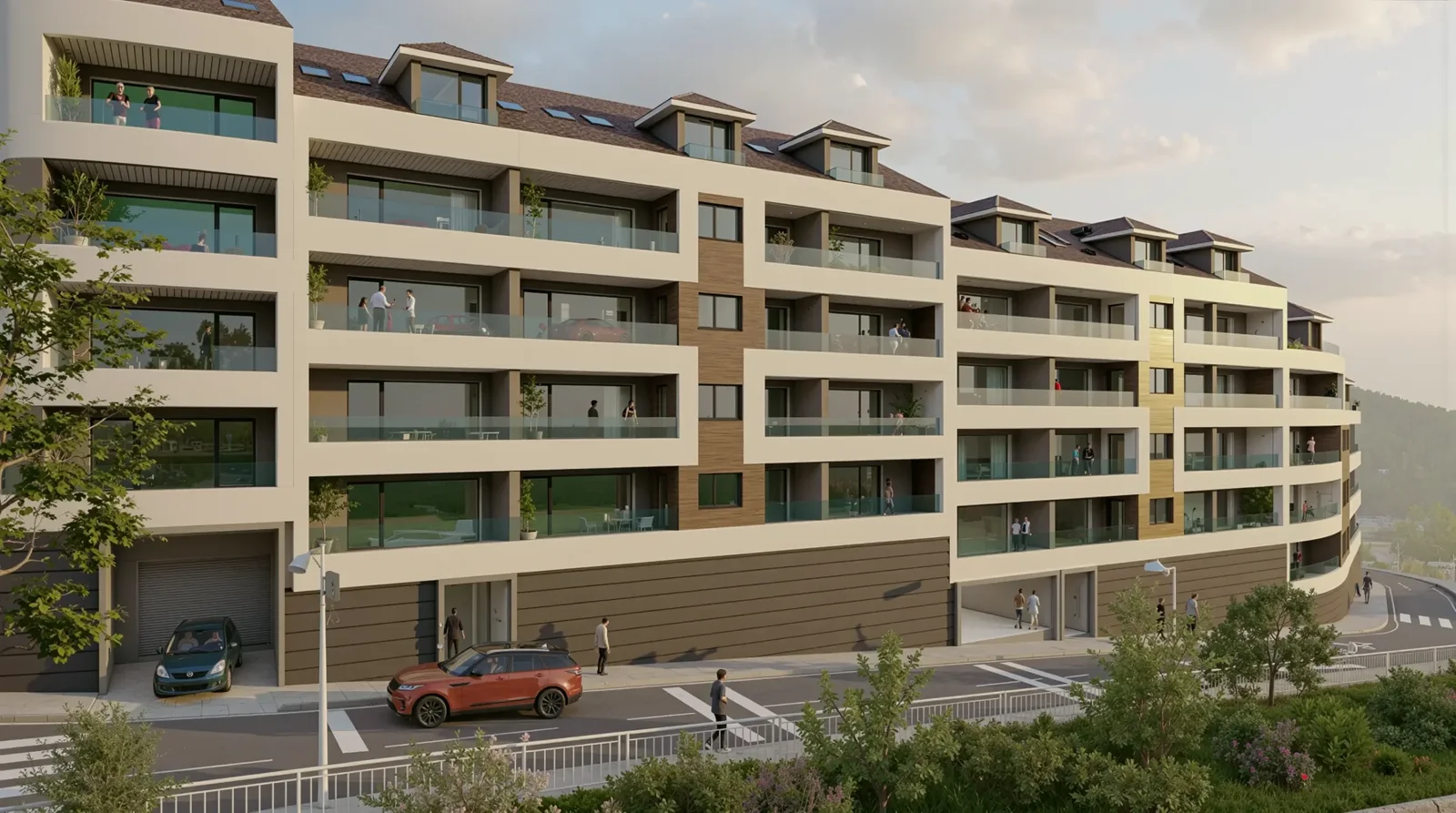
As an example of a flat in a building, Las Terrazas de Ribadesella is a development of 61 homes with one, two and three bedrooms, with terraces, on Carretera de la Estación. According to its development page, the railway station is five minutes on foot and the bus station six, the N-632 is two minutes by car and the A-8 motorway ten. The homes use an external thermal insulation system and aluminium windows with thermal breaks. For someone who arrives by train or car and leaves the flat closed for weeks, those are the details to compare between developments: how you get there, how you get in and how the building is insulated.
What to check before you commit
Before you sign, check seven things, each against an official or primary source.
- Land registry. Request a nota simple from the Registro de la Propiedad through the Colegio de Registradores and confirm that the seller and the flat match the register and that no charges are recorded.
- Cadastral reference. Look up the property in the Sede Electrónica del Catastro, the source for the cadastral reference and data.
- Statutes and minutes. Read the community’s statutes and recent minutes for fees, planned works and rules on holiday letting.
- Community debts. Ask for the certificate from the community president described above.
- Tourist use. If letting matters to you, run the three checks in the previous section before you pay a deposit.
- Taxes. Confirm the purchase taxes and the annual non-resident tax with the Agencia Tributaria or a tax adviser.
- A lawyer. Hire an independent lawyer who works only for you. The Foreign, Commonwealth & Development Office keeps a search service for English-speaking lawyers in Spain; it states that its lists are not recommendations.
FAQs about buying a holiday home in Spain
How long can you stay in Spain if you own a holiday home?
UK passport holders can travel to Spain without a visa for up to 90 days in any 180-day period, as stated on the gov.uk entry requirements page. Check that page against your own passport and plans, and for the options if you want to stay longer.
Do you pay tax on a holiday home you do not rent out?
Possibly. The Agencia Tributaria’s modelo 210 instructions say that a non-resident individual who has an urban property at their disposal must declare imputed income on it, even if it is never let. Check the current rules and deadlines on the Agencia Tributaria page linked above.
Can you rent it out to tourists?
It depends on the region, the building and the current national rules. In Asturias the owner files an electronic responsible declaration, and for a flat in a building the procedure lists a certificate from the community’s owners’ meeting. Check the regional rules, the community’s statutes and the status of the national registry before you buy.
Is a new build or a resale better for a holiday home?
A new build means a wait before you can use the flat, and a resale means you can use it after completion. Which is better depends on how soon you want to use it and on what the building’s documentation shows.
Next steps
If you are weighing up a home on the Asturian coast, the Las Terrazas de Ribadesella page lists the typologies, floor plans and specifications. If you are still deciding between regions, or between visiting and living in Spain, our guide to the best places to live in Spain compares what matters in each.
This article lists what to check and where; it is not legal or tax advice.